
The Most Difficult Instruments to Master in an Orchestra

Learning an orchestral instrument is a long-term commitment that combines physical coordination, musical understanding, disciplined practice, and patience. While every instrument presents its own obstacles, some demand an unusually complex combination of skills. A player may need to control pitch without visual guidance, coordinate both hands independently, manage breathing under pressure, execute rapid finger movements, or maintain precise physical control for extended periods.

The most difficult instruments to master in an orchestra are not necessarily the largest, loudest, or most technically complicated-looking. Difficulty often comes from how many variables a musician must control simultaneously. Intonation, breath control, fingering, bowing, articulation, endurance, coordination, and musical timing can all determine how quickly a player progresses.

Can Classical Music Be Sensual?

Classical music is often associated with grandeur, discipline, intellectual depth, and centuries-old concert traditions. Yet beneath those familiar qualities lies another dimension: sensuality. Long before modern ideas of romantic music, composers were using melody, harmony, rhythm, instrumentation, and performance to suggest intimacy, desire, longing, tenderness, and physical presence.

Classical musicians can perform through livestreams, social platforms, subscription services, video channels, including adultcam and other online formats. The performer may appear physically distant while the digital presentation creates an unusually close visual and auditory experience.

Why Do Orchestral Musicians Sit Where They Do?

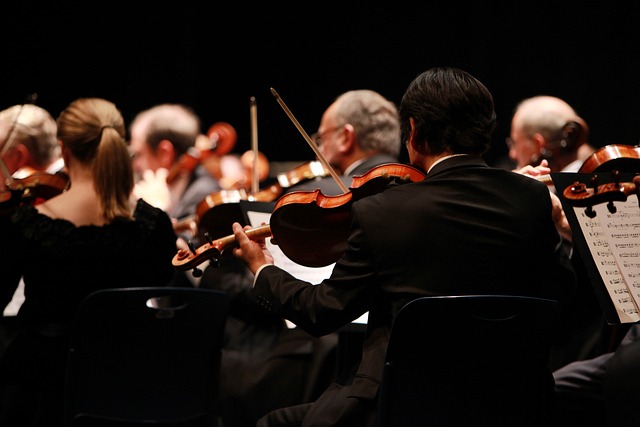
An orchestra may look like a large group of musicians simply arranged in rows, but there is a great deal of thought behind where each player sits. From the first violinist at the front to the percussion section at the back, an orchestra’s seating plan is designed to balance sound, communication, musical blend, visibility, and practicality.

Although many orchestras follow familiar traditional layouts, there is no single arrangement that applies everywhere. Seating can change according to the conductor, concert hall, orchestra, musical period, composer, or specific piece being performed. A Beethoven symphony may call for a different arrangement from a Mahler symphony, while a modern work could require musicians to be spread around the stage.

Someone playing the cello at an orchestra

Classical music is often associated with elegance, sophistication, and deep emotional expression. But beyond the grandeur of symphonies and the intellectual complexity of compositions, there lies a more intimate and sensual side to the orchestra—one that stirs passion and captivates the senses.

Music has the power to seduce, and certain instruments possess an undeniable allure. Whether it’s the way they sound, the way they’re played, or even the sheer physicality of the musicians interacting with them, some orchestral instruments naturally exude more charm and sensuality than some film porno francais.

A phone with the tiktok logo on the screen

For decades, classical music has been perceived as an art form in decline—reserved for formal concert halls, studied by music scholars, and appreciated mostly by older generations. Many believed that in an era dominated by streaming services, viral dance trends, and short attention spans, classical compositions by Beethoven, Mozart, and Rachmaninoff would fade into obscurity. However, a surprising and powerful resurgence is happening, thanks to the digital world.

Today, TikTok and YouTube are reviving classical music in ways no one could have foreseen. These platforms, initially designed for entertainment and social networking, have become the unexpected stage for a classical music renaissance. Viral trends, influencer musicians, and innovative digital engagement have introduced orchestral masterpieces to a new generation. Whether it’s a 15-second TikTok clip featuring Tchaikovsky or a YouTube pianist gaining millions of followers, one thing is certain: classical music is thriving in the digital age.

A female orchestra conductor practicing

The world of orchestras is one of rich tradition and profound cultural impact. However, a significant issue persists: women are underrepresented in leading positions.

Interestingly, this gender disparity stands in stark contrast to industries like pornography, where women are overrepresented, especially the Spanish women from videos porno gratis.

This blog post will explore the historical context, cultural biases, systemic barriers, and efforts to promote gender equality in orchestras.

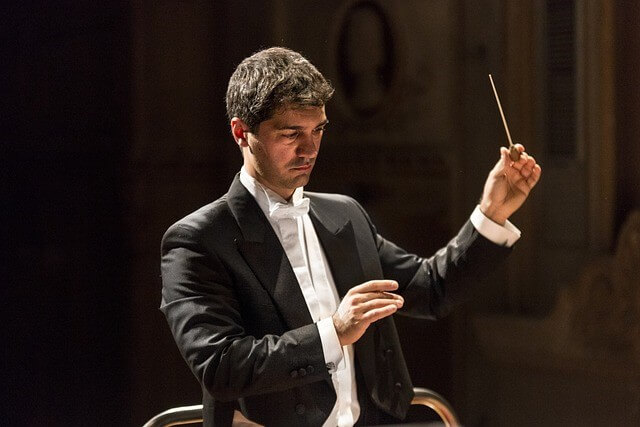
An orchestra conductor conducting a live performance of an orchestra

Orchestra conductors play a crucial role in bringing a musical performance to life. They are the guiding force behind every orchestral performance, ensuring that all musicians are in sync and that the interpretation of the music is cohesive and expressive.

But how exactly do conductors communicate with musicians during performances? In this blog post, we’ll delve into the various methods and techniques used by conductors to ensure a harmonious performance.

Essential Skills for Aspiring Orchestral Conductors

Orchestral conducting is an art that transcends the mere act of waving a baton. It’s an intricate dance of leadership, musicality, and communication that shapes the very essence of a musical performance.

Aspiring orchestral conductors embark on a journey that demands a diverse set of skills, each playing a crucial role in crafting a symphony that resonates with audiences.
classical music for sex

When it comes to setting the mood for some mind-blowing, steamy action, classical music has been the ultimate go-to for lovers seeking to crank up the heat between the sheets.

Let’s get real, folks. Classical music has an uncanny ability to transcend the mundane and unleash a tsunami of carnal desire within you. Those harmonious melodies, intricate compositions, and emotional depths are like a naughty aphrodisiac, awakening the beast within and turning up the temperature in the boudoir.

From German composers to French composers, classical music for sex will leave you wanting things you never thought you wanted (gruppensex anyone??)

Load More